
Share

Driscoll’s research and development teams use natural breeding methods to create patented varieties. Then our conventional and organic berries are grown on family farms. Finally, Driscoll’s food safety program ensures the wholesomeness of our berries and the safety of our consumers, employees, and independent farmers.

Our experts use natural breeding methods to create our patented varieties. Of course, the first thing we look for is flavor.
We rely on natural cross-pollination techniques to continually improve Driscoll’s berries. We never irradiate or genetically modify our plants.
We naturally breed berry plants to be more resistant to diseases and pests while meeting our quality standards for flavor and appearance. Each year, we study thousands of potential plants to choose the top 1% to farm and sell under the Driscoll’s brand name. It takes five to seven years to produce a seedling that is ready for commercial production. Every season, we flavor-test more than 500 selected varieties from our test plots around the world. Every Driscoll’s berry must be flavorful, attractive, resistant to disease and hardy enough to ship well and arrive fresh at the store.
Driscoll’s patented plants are available only to our independent farmers.
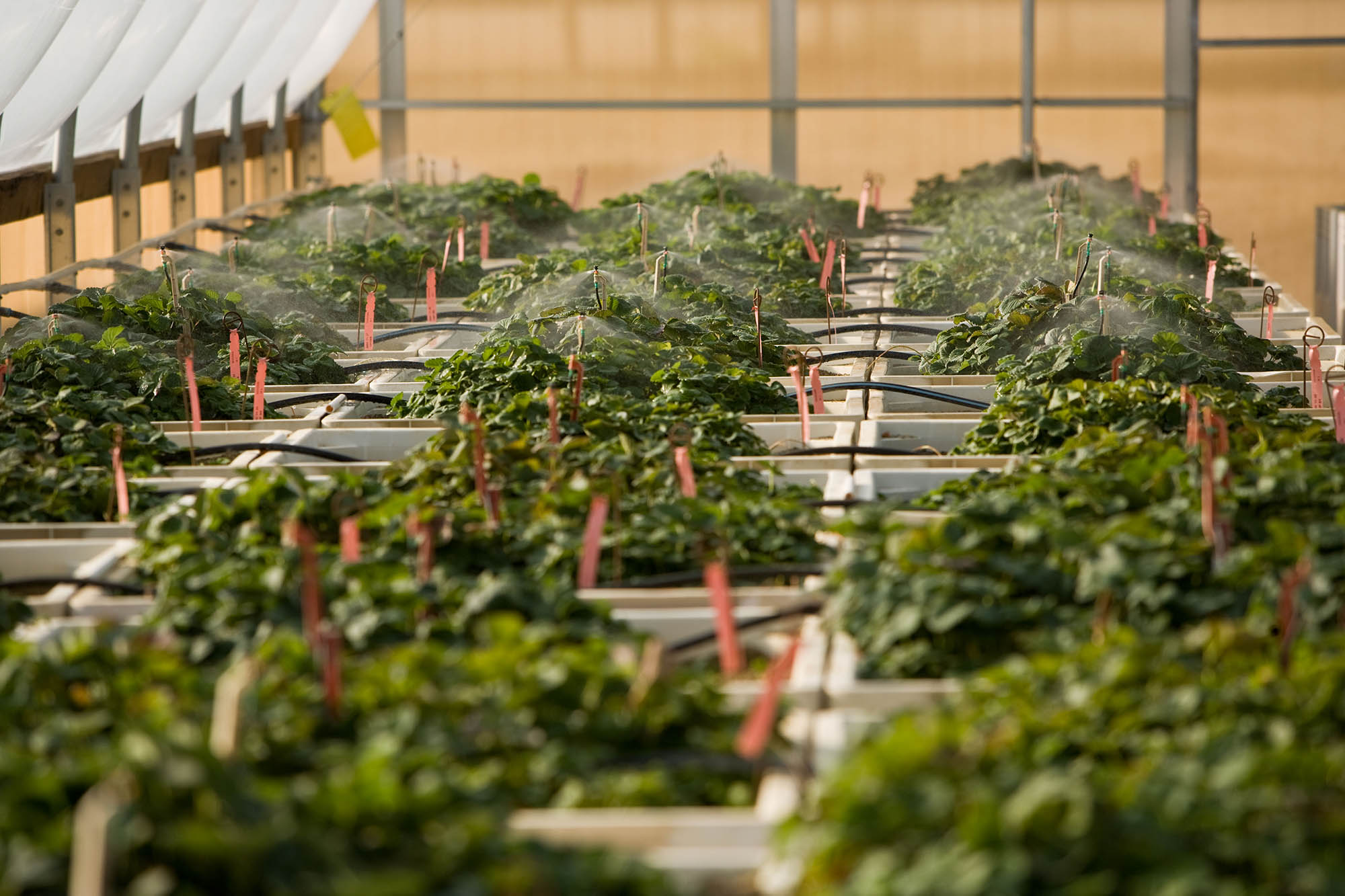
Every Driscoll’s berry begins life at the nursery. Driscoll’s nursery locations are carefully selected based on their geographic isolation, which keeps the soil free of pests and diseases.Cuttings are taken from an original selected seedling and grown in the germ-free environment of Driscoll’s screen houses. From there, the seedlings are planted and grown in nursery fields, a process that can take several years. After the seedlings are harvested, they are carefully packed and shipped to our coolers, where they are kept chilled so that the plants remain in hibernation. Our independent farmers pick up their seedlings just in time for planting.
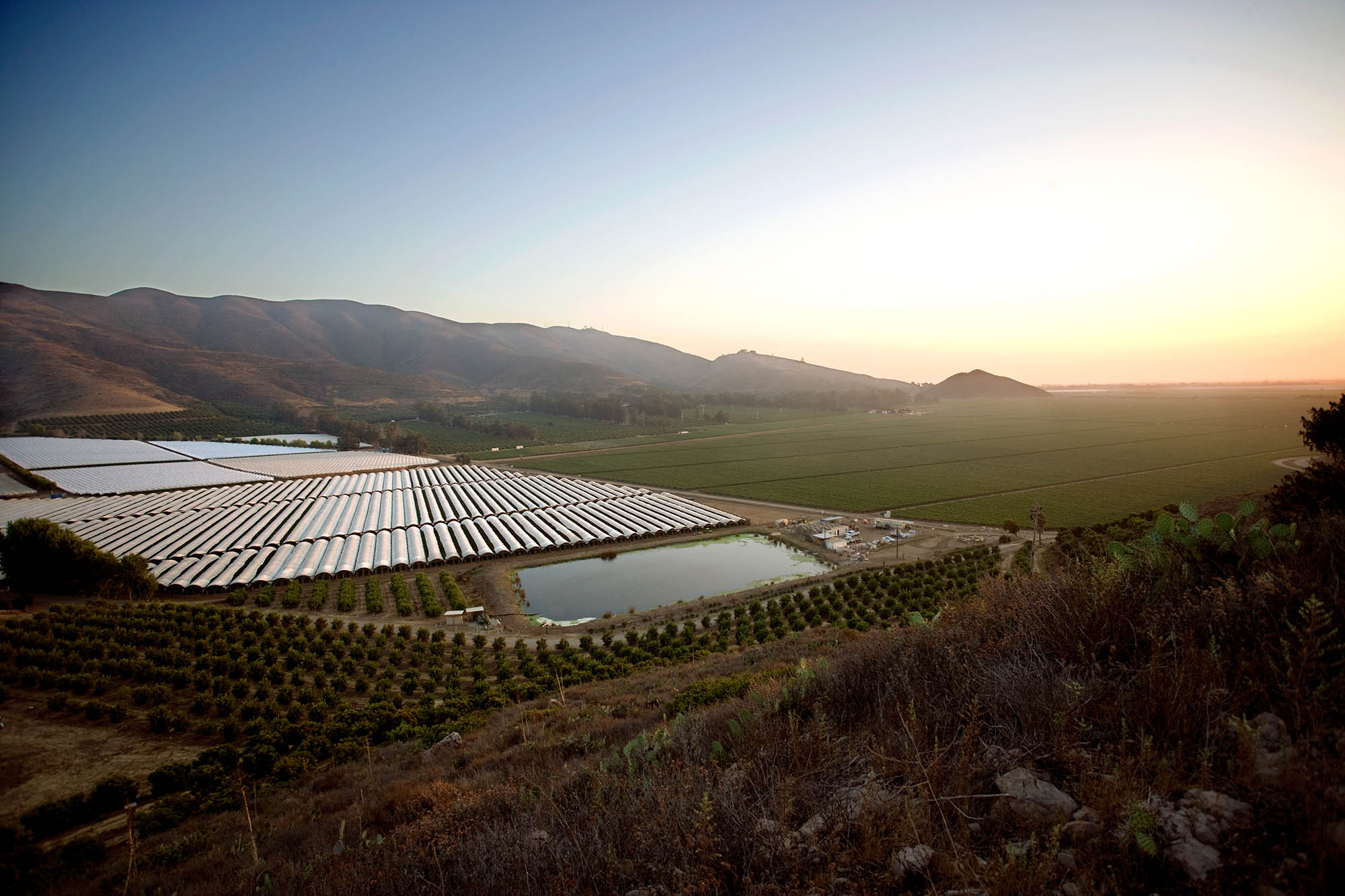
Planting the berries is a delicate process and the correct timing is critical. Each row must be laid out so that it has exactly the right slope, to ensure that irrigation water will flow smoothly throughout the field. The length of the growing season depends upon the berry type, the plant and the climate of each unique growing region. For example, strawberries take 30 days to mature from flower to fruit. The berries are picked every three days, and the fields must be re-planted every year. Raspberry plants require re-planting every two to three years and blackberry plants require re-planting every five to six years. Blueberries are a deciduous fruiting plant and can live longer than 15 years before re-planting is necessary.
When you meet the farmers who grow berries for Driscoll’s, you can’t help but be impressed by their skill, experience and dedication to farming. Every person who touches these plants shares a passion for growing only the finest berries.
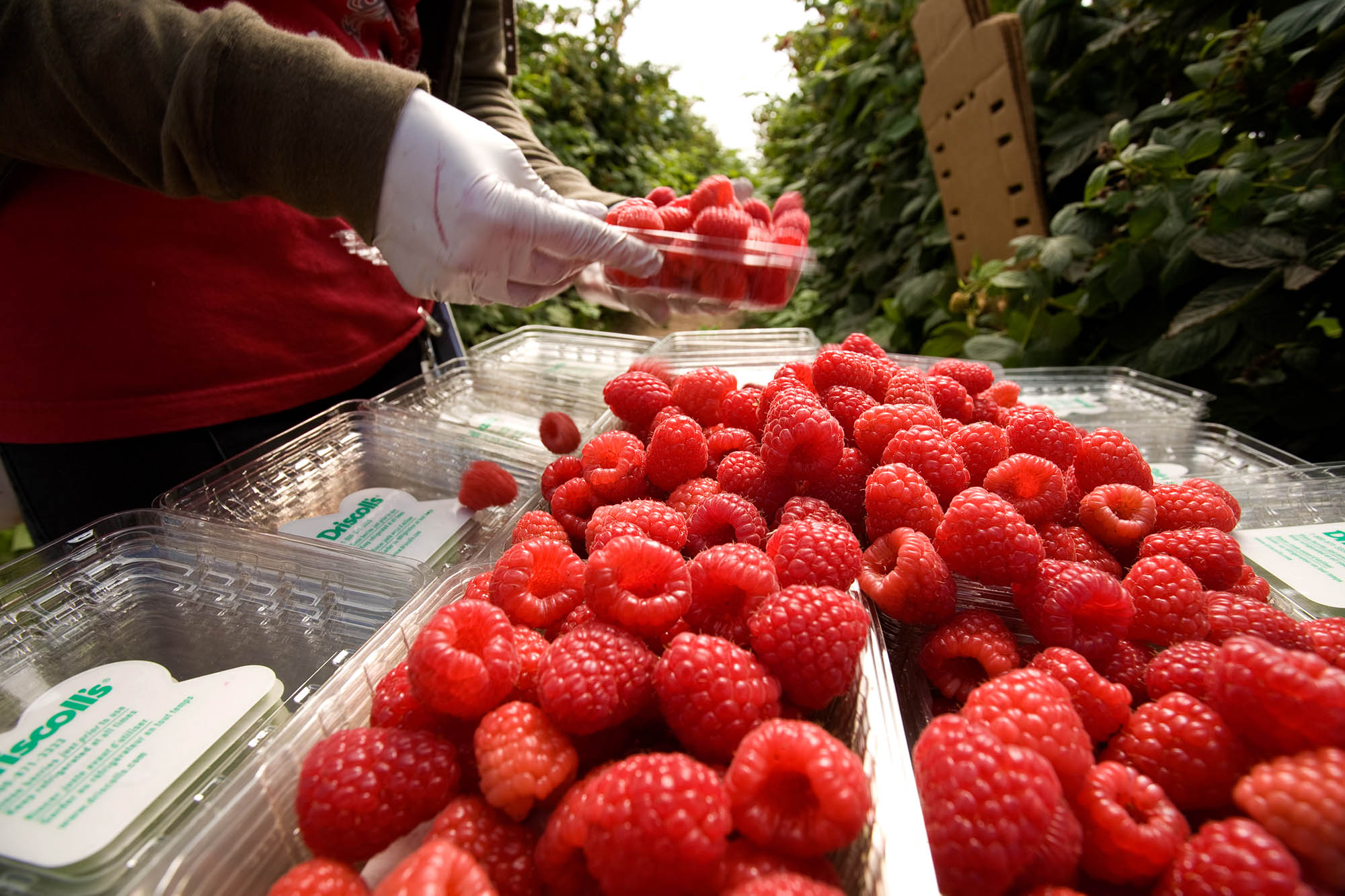
Hand-picked in the Field
Each morning, our independent farmers pick up their clamshell containers at the cooler, hand-pick the berries in the field and return them to a nearby Driscoll’s cooler within hours.
Inspected for Quality
The berries are then tagged, inspected for quality and immediately placed into refrigeration tunnels to bring them to optimal storage temperature.
Brought to Optimal Temperature
It can take anywhere from 45 minutes to 2½ hours to cool a pallet of Driscoll’s berries from field temperature to a chilly 33 degrees F.
Pallet is wrapped for stability in shipping
Trucks are inspected for cleanliness and the fruit is wrapped to ensure quality.
Arrives Fresh at the Store
We ship our berries as soon as possible after harvest, to make sure they arrive at your store fresh, ripe and delicious.

Our farmers share a commitment to growing the world’s best berries and protecting their family land to hand down to future generations.

Learn more about our growing regions.

Driscoll’s organic berries are good for you and the planet.
Join the Berry Buzz Newsletter
